Currently Empty: ₨ 0

Dates are naturally sweet fruits enjoyed across the Middle East and around the world. They have a long history in traditional diets, particularly in Saudi Arabia, where varieties such as Ajwa and other dates from Madinah are appreciated for their flavour, texture and cultural significance. Beyond their sweetness, dates provide dietary fibre, carbohydrates, minerals and naturally occurring plant compounds.
Understanding the benefits of dates can help you include them in a balanced eating pattern. Whether you enjoy them as a quick snack, serve them to guests or pair them with breakfast, dates offer a versatile way to add natural sweetness to everyday meals.

What Is the Nutritional Value of Dates?
Dates are nutrient-containing fruits with a relatively concentrated amount of natural sugars and calories, especially when dried. Their nutritional composition varies according to the variety, size, ripeness and moisture content.
Dates generally provide:
-
- Carbohydrates: A source of energy for everyday activities.
-
- Dietary fibre: Supports normal digestion and helps maintain bowel regularity.
-
- Potassium: An essential mineral involved in normal muscle function, nerve signalling and fluid balance.
-
- Magnesium: Contributes to normal muscle and nerve function and energy metabolism.
-
- Plant compounds: Dates contain polyphenols and other compounds with antioxidant activity.
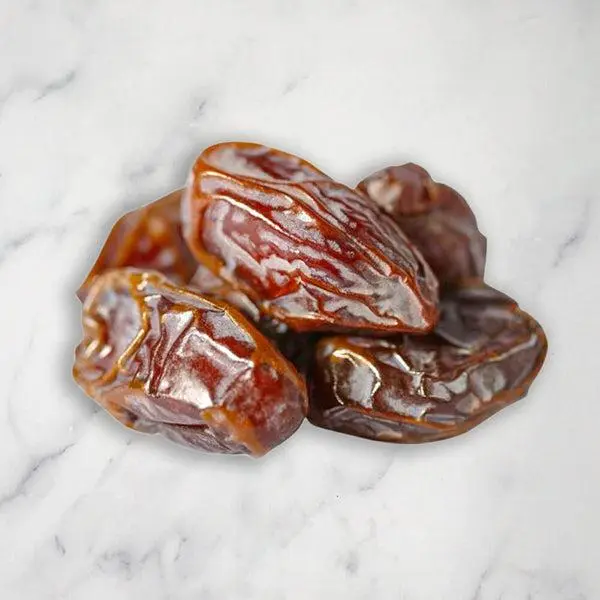
For example, 100 grams of Medjool dates contains approximately 277 calories and 6.7 grams of fibre, although values differ among varieties. Dates are therefore nutritious, but portion size matters because their natural sugars and energy content can add up.
6 Potential Health Benefits of Dates
Dates can contribute valuable nutrients to a varied diet. Their benefits are best understood as part of an overall healthy eating pattern rather than as a treatment for a medical condition.
1. Support Healthy Digestion
One of the key benefits of dates is their dietary fibre content. Fibre helps support normal bowel movements and can contribute to digestive regularity. Eating dates alongside vegetables, whole grains, legumes and other fibre-containing foods can help you meet your daily fibre needs.
If your usual diet is low in fibre, introduce dates gradually and drink enough water. Increasing fibre too quickly may cause bloating or discomfort in some people.
2. Provide Natural Energy
Dates contain naturally occurring sugars, including glucose and fructose, which the body can use for energy. Their carbohydrate content makes them a convenient food before physical activity or during a busy day.
Pairing dates with nuts or plain yoghurt can make a more substantial snack by adding protein and, in the case of nuts, unsaturated fats. This combination can be more filling than eating dates alone.
3. Supply Essential Minerals
Dates contribute minerals such as potassium and magnesium. These nutrients play important roles in normal body functions, including muscle activity, nerve signalling and energy metabolism.
However, dates should not be treated as a replacement for a varied diet. A balanced selection of fruits, vegetables, whole grains, protein sources and other nutrient-rich foods remains important.
4. Add Antioxidant Plant Compounds to Your Diet
Dates contain plant compounds, including phenolic compounds and flavonoids, that have antioxidant activity in laboratory studies. Antioxidants are studied for their role in protecting cells against oxidative stress.
This is a promising area of nutrition research, but the presence of antioxidants does not mean that eating dates prevents or cures specific diseases. Their practical value comes from including them as one part of a diverse, balanced diet.
5. Offer an Alternative to Refined Sweets
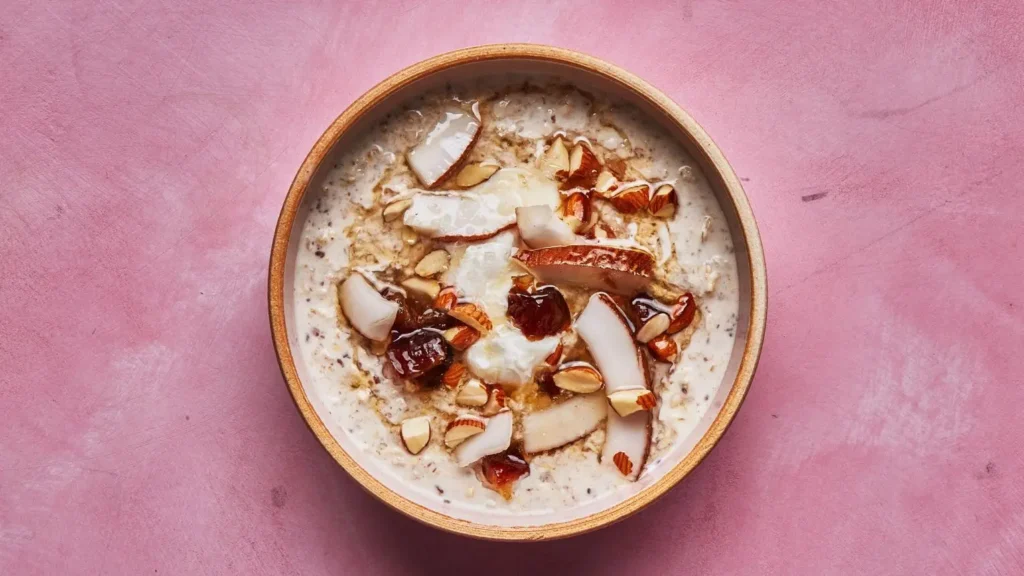
The natural sweetness of dates makes them useful in recipes that might otherwise rely heavily on refined sugar. Chopped dates can add sweetness and texture to porridge, homemade energy balls, yoghurt bowls and selected baked goods.
Dates still contain sugars and calories, so replacing sugar with dates does not automatically make a recipe low in sugar or calories. Consider the complete recipe and serving size when making food choices.
6. Help Make Balanced Snacks More Satisfying
Dates can be combined with foods that provide protein, fibre or unsaturated fats. For example, dates with a small handful of nuts or a serving of plain yoghurt can create a convenient snack with a broader nutrient profile.
This approach can be useful when you want something sweet while keeping your snack varied and satisfying.

How Many Dates Should You Eat Per Day?
There is no single daily amount that suits everyone. Your needs depend on your overall diet, activity level, health conditions and the size and variety of the dates you eat.
A practical starting point for many people is two to three dates as a serving, then adjusting according to appetite and dietary needs. Larger varieties contain more fruit per piece, so the same number of dates can provide different amounts of energy.
The NHS identifies approximately 30 grams as a typical portion of dried fruit. This can be a useful reference when planning servings, although the exact number of dates in that weight depends on their size.
People managing diabetes or blood glucose levels should account for the carbohydrates in dates and consider personalised advice from a qualified healthcare professional. Dates can fit into some meal plans, but their natural sugar content should not be overlooked.
Different Types of Dates and How to Enjoy Them
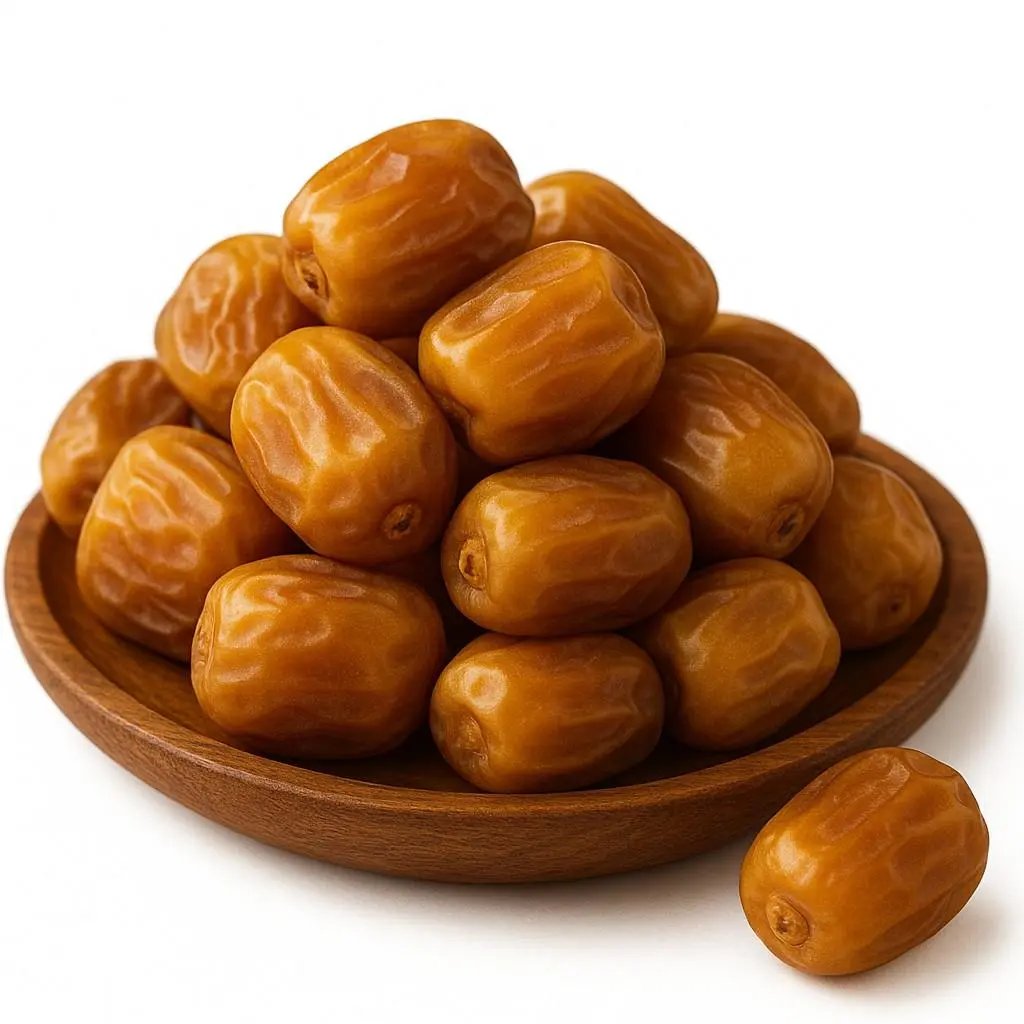
Dates come in many varieties, each with a distinctive flavour, texture and appearance.